But what did I actually know? - #487
"Did you die?"

"Did you die?"

When Harvard Business School's Jill Avery spoke to us at HubSpot Fellows in June, one thing that stuck with me was in her description of how she studied marketing. Her...

It started in my first job in DC. In addition to the TVs on our desks continuously broadcasting the news, we wired ourselves up with all manner of emailed political...

Almost every weekend, I read a printed newspaper. I save the best for last: I start with the news, then opinion, then business and arts, then lifestyle, and finally the...

As you read this, I'll be playing golf, probably badly, at a tradition-bound golf club not far from the ocean. Our collared shirts will be tucked in; our caps will be...

There's a type of thinking in business circles that values above all else the nonobvious but numerically correct choice. It's the sort of thinking that tells people to say no to customers, to even turn them away. You encounter this thinking a lot at business school, where hidden in every case is the numerically justified hard choice: you can absorb the cost of laying off some people with a system that enables those who remain to do just a little more work. It prides itself in deprecating the creaky old in favor of the more profitable new. Its paragon is the laptop-toting whiz kid.
"We have some bad hombres here, and we're going to get them out."
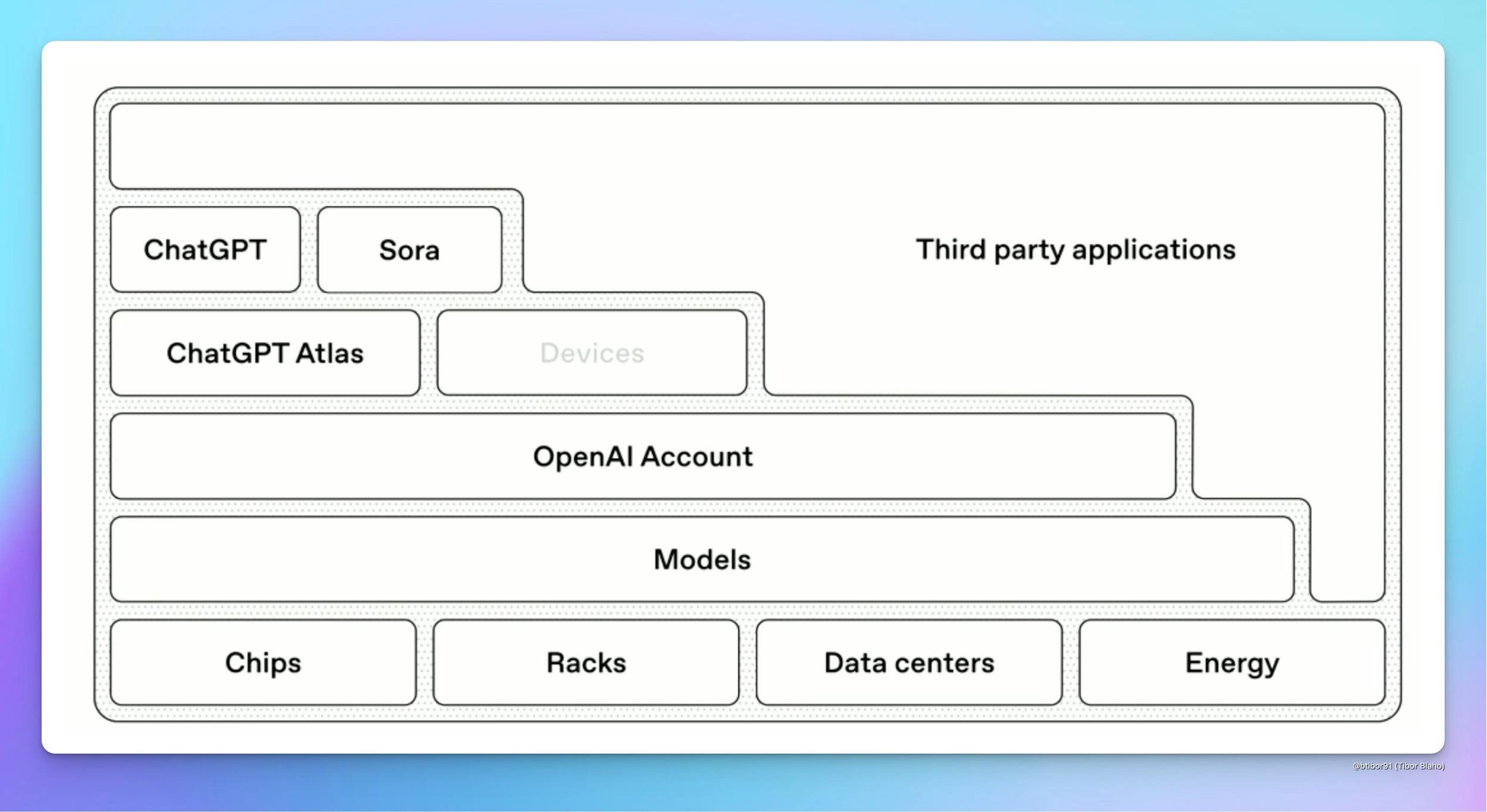
One of the funnier things in recent AI news, was when, after years of moaning about just how dangerous their AI is, and threatening it would get moreso over time, Anthropic expressed surprised—shock, even—when the US Government stopped it from exporting its technology. If you believed the fine folks at Anthro, then you should've been entirely unsurprised. They've been consistently saying in ever-increasing apocalyptic language, that, among other nasty outcomes, their products are hastening the likely collapse of civilization itself. With their recent "hack prevention" model, they were giving people everywhere, nefarious and otherwise, an easier, more powerful skeleton key to all software. And this was according to the computer scientists, not just the marketers. They professed to be shocked when the feds came in and told them not to ship this abroad. If that's true, then their safetyism marketing had been an unbelieved-by-the-teller tale all along. Just like a whole lot of other "world-changing" and similar nonsense from motivated sellers of technology. In news that should've surprised no one, the safety-conscious and governmentally-uncooperative team at Anthro complied with sufficient government-mandated software changes to sell their latest dangerous computer programs across the globe. Just as they are attempting to get right with the Pentagon—never believe a business's conscientiousness until you see it cost them money. That's why I found it funny: as much as businesspeople can gain from "white paper" blog posts and appearances on philosophical podcasts, you can tell exactly what really matters to them by what they actually do.

Forgive the missed weekly email, dear reader: I spent the Fourth of July in a bubble. Not one of those covid protection groups or in an isolated, personalized algorithm, but in a zone of intense focus on a home improvement project. It's the last bit of our 2023-4 home renovation: an exterior chimney, framed and functional, but as-yet unclad. You've probably seen what it looked like: that plywood covered in a green coating and sealed with thick black tape. Our chimney had sported that green for just over two years and we'd finally come up with an affordable solution to finishing it: me on a ladder with a hammer. The project is going fine, but it's been all-consuming. Even with days off for Sunday and rain, I've been focused exclusively on the chimney for a week. In a chimney bubble.