"Did you die?"
On Wednesday afternoon, when I turned my phone on, that's the first text notification that popped up. I'd spent a few days with the phone in glove box. If any thieves were around Acadia National Park's campgrounds, they could've snagged a four year-old phone with a cracked screen. You're not supposed to leave valuables in your car, but that phone doesn't count as valuable any more. While I did miss my regular texting friends, the phone being off aided in the experience. We enjoyed August in downeast Maine, camping in the trees just behind some cliffs where you could watch the sunrise. I took no pictures. I am trying to remember in my mind's eye what the pre-dawn sky looks like: the emerald ocean slowly turning to sapphire.
On Tuesday, I sat for a while in two picturesque spots: the Jordan Pond Tea House and on Main Street, Bar Harbor. In each place, the people did exactly what you'd expect. They stepped into my field of vision, stopped, and pulled out their phones to photograph the view or to see something or other on the screen. The most dexterous could do both without stopping. One wonders if they saw anything. Peering at your phone when the ocean is right there seems like a miss. On the other hand, they have better digital memories of their trip than I do; the pictures are right there, a tap away. In a few years, I'll have lost the sense of how the ocean smells just after dawn, when the sun lifts the salt spray up to the edges of the cliffs; the phone people will still have photos in their rolls to remind them of their trip. I tried to soak in the experience directly, without separating myself from it with a device. My experience might've been fuller, but it will be more evanescent. Which is memory, the unaided but fading or the everlasting but othered?
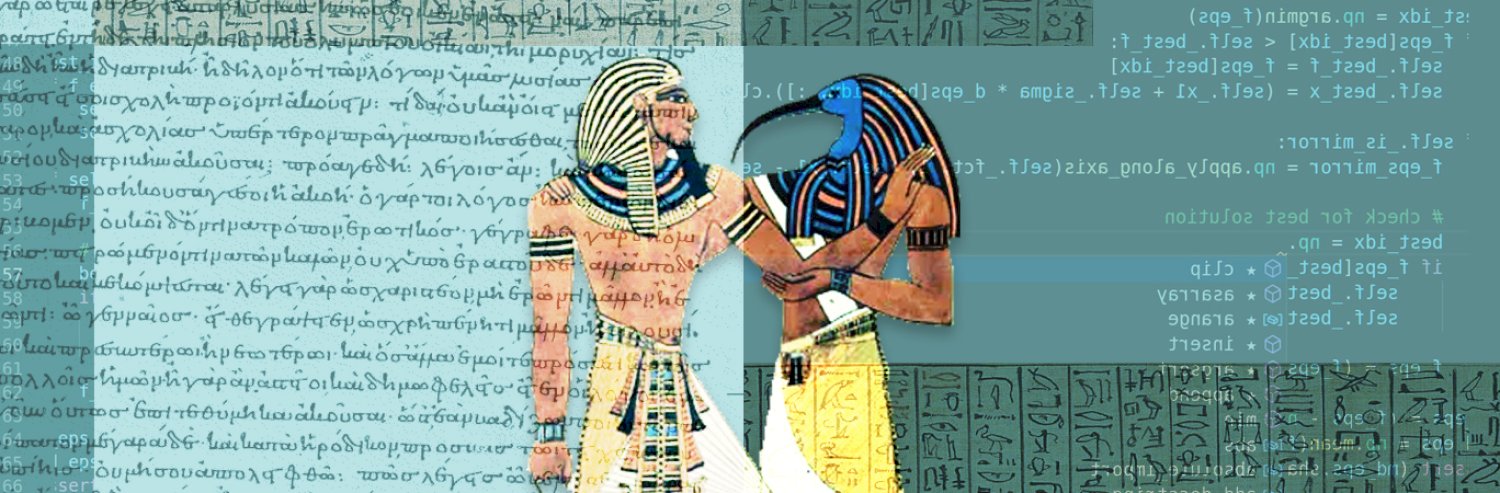
Earlier this year, my friends sent around a potential title for book club: In Cold Blood, the Truman Capote book that created non-fiction as novel and the true crime genre. I confirmed I hadn't read it and so it became that month's book. About fifty pages in, maybe sixty, I realized I remembered the book. My memory was both of the story and of Capote's distinct style—he turned phrases and ended paragraphs and closed chapters always trying to make the reader awed or shocked: 'And he was the last to see them alive' and that sort of thing. As it turns out, I had read the book. It had been long enough ago that I forgot having done so. It was also long enough ago that I had a completely different experience with the same book. My memory of the first time is of being impressed with Capote, both in what he attempted to do and how he pulled it off. Finishing this book set me off to read as much Capote as I could find, along with a fair bit of criticism and of his contemporaries. Fifteen years later, the same book seemed dull and the style cloying. The book was the same, no abridged versions here, it was my memory that had faded and it was I that had changed. When asked 'what do you know', the appears to us answer is far more certain than it really is.
It's the uncertainty of memory, its unreliability, that has us reaching for aids. The camera-wielding tourist is grasping for certainty about the future : he wants to be someone who has not forgotten his experience. Wedding photographers are more like life insurance salespeople than anything else: offering security that in the future, your memory will be protected. My bent is to do it without these aids. I want the direct experience—my vanity says that I will know more the less aids that I use. For example, while I sort of liked skiing with a tracker to remind me of my runs and days, I got far more enjoyment from leaving all that behind and just skiing without the apps. But without a real history to look back on, without pictures of the moments attached to weather notes and trail logs, even the most enjoyable days of skiing fade in memory. While my vanity says the unaided experience is more full, my memory's weakness makes it all but certain that without my phone to capture the moment, I'll lose track of what happened. What did I actually know? One wonders.
I know a lot of you pick which link you'll read (if any). For the reading this week, I think you'll enjoy reading both. You've got to put Michael's curmudgeonliness next to Craig's bright-eyed wonder: the former has experiential knowledge as its only true form; the latter reports back from the edge of an experience he doesn't quite understand.
Reading
 Plato's Warning Has Been Vindicated
Why AI Has Brought Nothing More than the Conceit of Wisdom.
A Swarm of Blood Robots
Recent adventures in using LLMs